The Science of Fidgeting: Why We Love to Click
Why is clicking a pen so satisfying? Explore the psychology of fidgeting and how digital tap counters serve as modern stress-relief tools.
Azeem Iqbal
Contributor

The Science of Fidgeting: Why We Love to Click
Click. Click. Click. You are in a meeting. Your colleague is repeatedly clicking the top of their ballpoint pen. It’s annoying to you, but for them, it’s essential.
For decades, teachers told students to “sit still.” But modern psychology has revealed that fidgeting isn’t a sign of distraction, it’s often a tool for focus. And in the digital age, the “Click Counter” app has emerged as a surprising, satisfying fidget toy.
The “Floating Attention” Theory
Ideally, we would focus 100% on a task. In reality, looking at a spreadsheet might only occupy 80% of our brain’s processing power. The remaining 20% is “floating attention.” If that 20% isn’t occupied, it gets bored. It starts looking for distractions (checking your phone, daydreaming). Fidgeting (clicking a counter, doodling) occupies that 20%. It knits up the loose ends of your attention so the other 80% can stay locked in.
The Tactile Satisfaction of the “Click”
Why are we obsessed with mechanical keyboards, bubble wrap, and tally counters? It’s about Haptic Feedback.
- Action: You press a button.
- Response: You feel a snap and hear a sound.
- Result: A micro-dose of dopamine. The brain likes cause-and-effect.
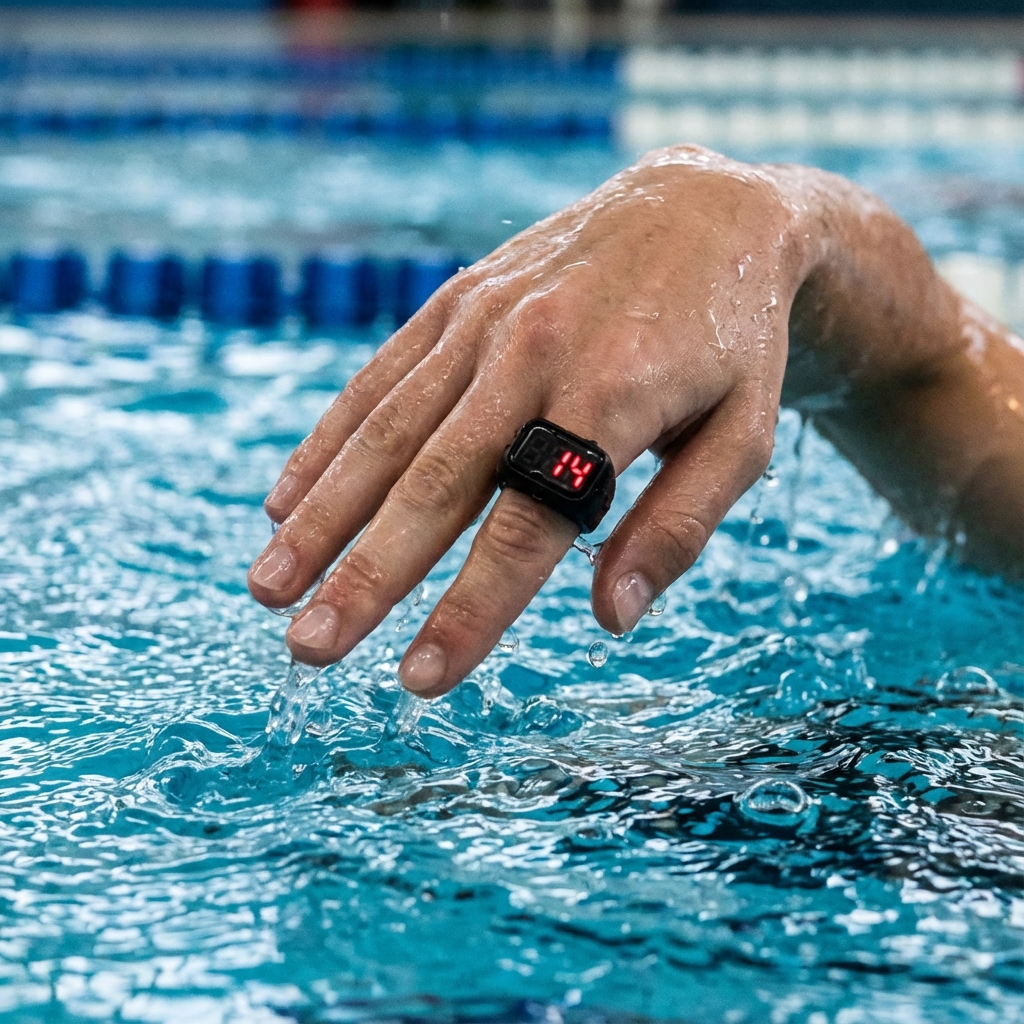
A Tap Counter is the ultimate cause-and-effect loop. You tap. The number goes up. It is simple, predictable, and controllable. In a chaotic world, controlling a number feels good.
ADHD and “Stimming”
For individuals with ADHD (Attention Deficit Hyperactivity Disorder), the brain is chronically under-stimulated (low dopamine).
- Passive Fidgeting: Bouncing a leg or tapping fingers generates physical stimulation that wakes up the brain’s executive functions.
- The Tally Counter: It provides a structured fidget. Unlike a fidget spinner (which is passive), a counter has a goal (making the number rise). This “Gamification” of fidgeting is highly engaging for ADHD brains.
The Digital Fidget: “Idle Games”
This psychology explains the massive popularity of the “Clicker Game” genre (e.g., Cookie Clicker). There is no real “gameplay.” You just click to make numbers go up. Millions of people play these. Why? Because seeing a number grow allows us to visualize progress. A standard Tap Counter App scratches this same itch. Users often open the app just to tap it to 1,000 to relax. It’s a mindless, safe activity that clears the mental palate.
Stress Relief and “Grounding”
When we are anxious, our thoughts race into the future (worrying about “what ifs”). Physical sensation brings us back to the present. This is called Grounding.
- The texture of the button.
- The vibration of the phone.
- The visual change of the number. Focusing on these sensory details anchors the mind in the “Now,” slowing down the heart rate and reducing panic.
Conclusion
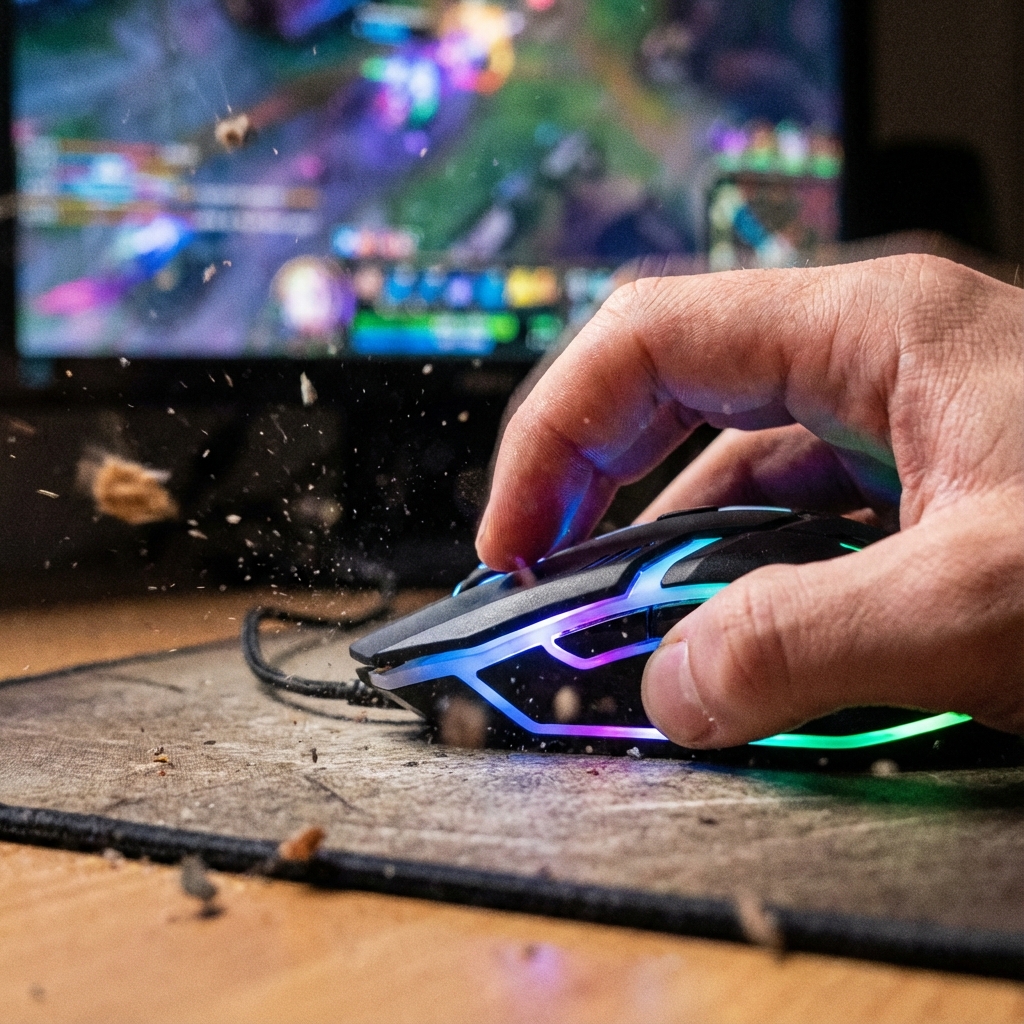
So, the next time you find yourself mindlessly tapping a counter or clicking a mouse, don’t feel guilty. You aren’t wasting time. You are regulating your nervous system. Whether you use a fancy metal clicker or a free app, that simple click is doing more for your brain than you realize.
? Frequently Asked Questions
Why do humans fidget?
Do clickers help with anxiety?
Is a tap counter a fidget toy?
What is 'stimming'?
Does fidgeting help you learn?

About Azeem Iqbal
We are dedicated to providing accurate, easy-to-understand information. Our goal is to help you minimize effort and maximize results.