The Evolution of the Tasbeeh Counter: From Beads to Digital Apps
Explore the history and modernization of the Tasbeeh. Discover how digital tap counters are helping millions maintain their spiritual routines with ease and accuracy.
Azeem Iqbal
Contributor
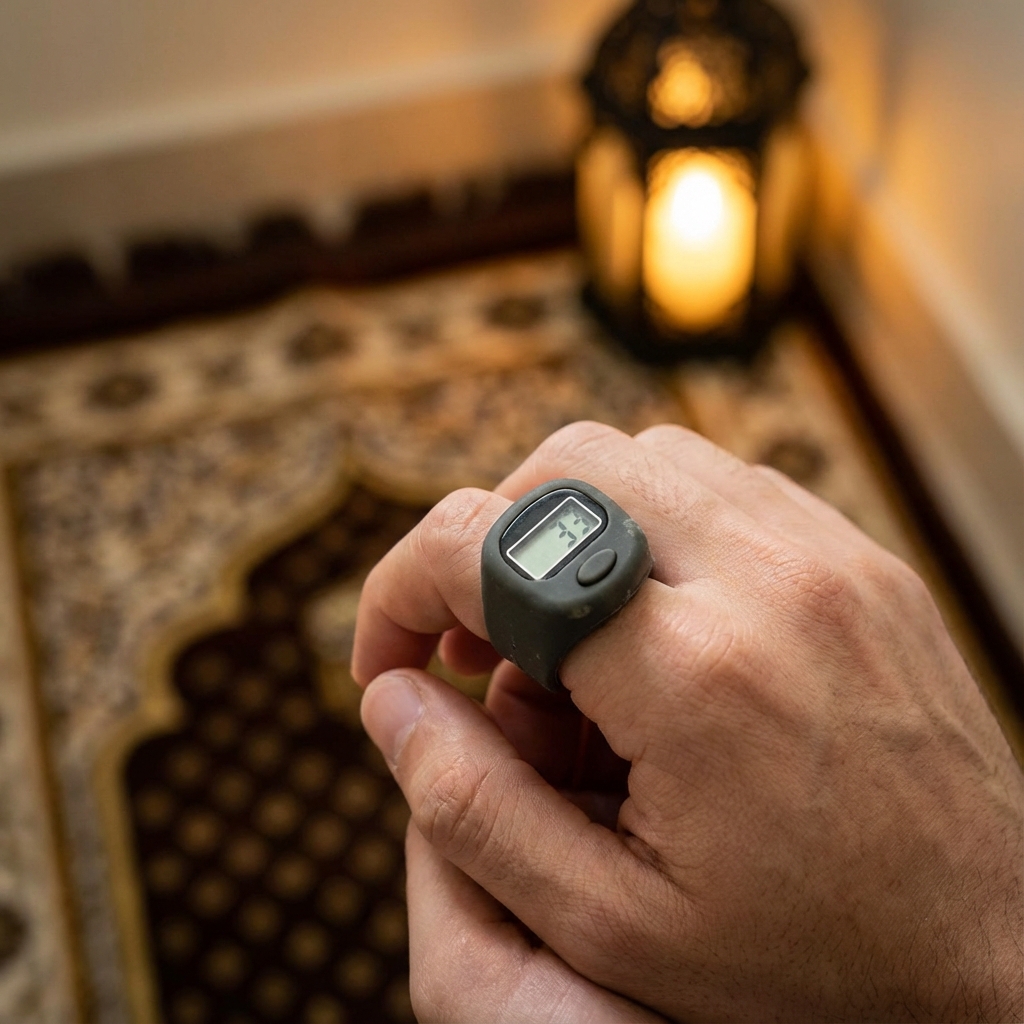
Table of Contents
- The Evolution of the Tasbeeh Counter: From Beads to Digital Apps
- The Traditional Misbaha: Stones and Seeds
- The Rise of the Mechanical Clicker
- The Digital Revolution: Finger Counters and Smart Rings
- Tap Counter Apps: The Tasbeeh in Your Pocket
- Mental Health and the Meditative Rhythm
- Choosing the Right Digital Tasbeeh for You
- Conclusion
The Evolution of the Tasbeeh Counter: From Beads to Digital Apps
For centuries, the act of counting prayers and reciting mantras has been a central pillar of spiritual practice across many faiths. In Islam, this practice is known as Tasbeeh (or Tasbih), involving the repetitive utterance of short sentences glorifying God. Traditionally, this was managed with a string of beads. However, the digital age has transformed this ancient tradition, introducing the Tasbeeh counter, a modern, digital, and often app-based tool that blends spirituality with technology.
In this comprehensive guide, we delve into the history of the Tasbeeh, the transition from physical beads to digital clicks, and why the modern “tap counter” has become an essential companion for millions of believers worldwide.
The Traditional Misbaha: Stones and Seeds
Before the advent of plastic or electronics, the Misbaha (prayer beads) played a crucial role in worship. Historically, believers used whatever materials were available to them.
The Significance of 33 and 99
The most common form of Tasbeeh involves a string of 99 beads (representing the 99 names of Allah) or 33 beads (cycled three times). The tactile nature of moving a bead through one’s fingers provided a physical rhythm to the prayer, allowing the mind to focus entirely on the words being spoken rather than the math of counting.
Materials used included:
- Date Stones: In the earliest days, simple date pits were used.
- Wooden Beads: Carved from olive wood or sandalwood, often carrying a scent.
- Gemstones: Agate, amber, and turquoise for more ornate sets.
While beautiful, counting beads had limitations. Strings could break, beads could be lost, and carrying a bulky set of beads wasn’t always practical in modern, fast-paced work environments.
The Rise of the Mechanical Clicker
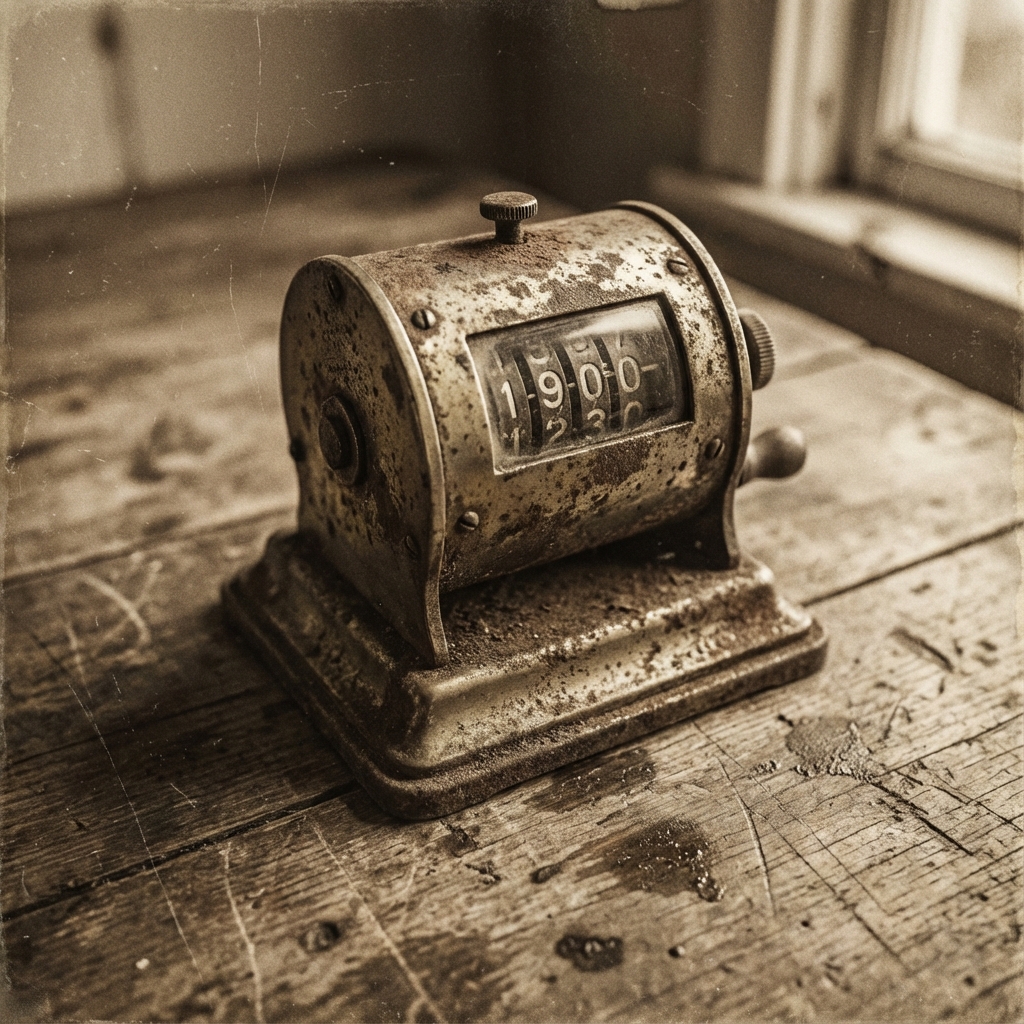
In the 20th century, the mechanical tally counter, originally designed for industrial counting or attendance tracking, found a new home in the hands of worshippers. The small, silver, chrome-plated device with a thumb ring became a common sight in mosques around the world.
Why the Shift?
- Durability: Metal clickers were virtually indestructible compared to fragile strings.
- Compactness: They fit easily inside a palm, allowing for discreet prayer during a commute or break.
- Accuracy: The mechanical “click” provided a definitive confirmation of a count, reducing doubt.
However, the loud “click-click-click” sound could be distracting in silent congregational settings. This limitation paved the way for the next evolution: the silent digital counter.
The Digital Revolution: Finger Counters and Smart Rings
The most recognizable form of the modern Tasbeeh is the digital finger counter. These small, ring-sized devices strap onto the index finger and feature a thumb-operated button and a tiny LCD screen.
Advantages of Digital Finger Counters
These devices exploded in popularity for several reasons:
- Silence: Rubberized buttons allowed for completely silent operation.
- Memory: many could “hold” a count even after the screen turned off to save battery, allowing a user to pause and resume hours later.
- Ergonomics: Designed to be worn for hours without fatigue.
- Backlighting: LED buttons allowed users to continue their Adhkar in the dark before sleep or during early morning prayers (Fajr).
The Smart Ring Era
Recently, technology has taken a leap forward with “Smart Tasbeeh Rings.” These are IoT (Internet of Things) devices that connect via Bluetooth to a smartphone app. They track your daily counts, vibrate to remind you of prayer times, and even direct you towards the Qibla. They represent the ultimate fusion of faith and wearable tech.
Tap Counter Apps: The Tasbeeh in Your Pocket
With the ubiquity of smartphones, the physical device itself is becoming optional. A “Tap to Count” app is now the most accessible form of Tasbeeh.
Why Apps are Winning
- Availability: You might forget your beads or your finger counter, but you rarely leave home without your phone.
- Visual Customization: Apps can simulate the look of beads, offer dark modes for night reading, or simple minimalism.
- Haptic Feedback: Modern phones use vibration engines to mimic the physical “click” of a bead or button. This tactile feedback is crucial; it allows believers to count without looking at the screen, maintaining eye contact with their surroundings or keeping their eyes closed in focus.
- Target Setting: Apps allow users to set a specific goal (e.g., 100 Istighfar). The phone will vibrate continuously or play a soft tone once the target is reached, removing the anxiety of “over-counting” or checking the number constantly.
Mental Health and the Meditative Rhythm
Beyond the religious obligation, using a tap counter for Tasbeeh has profound psychological benefits. The repetitive action of tapping or clicking induces a state of “flow.”
- Anxiety Reduction: The rhythmic motion grounds the user, serving as a fidget tool that channels nervous energy.
- Focus Enhancement: In an age of constant notification distraction, designating 5 or 10 minutes to a single, repetitive task trains the brain to focus.
- Cognitive Offloading: By outsourcing the counting to the device, the brain is free to contemplate the meaning of the words, rather than the sequence of the numbers.
Choosing the Right Digital Tasbeeh for You
If you are looking to move away from beads, here is what to look for in a counter:
1. Comfort and Size
If you plan to do thousands of repetitions a day (e.g., Salawat), a finger-strap counter is ideal. Holding a phone for that long can lead to thumb strain (text claw).
2. Physical Feedback
Ensure your choice has a distinct “click” sensation. On a touchscreen app, ensure “Haptic Feedback” or “Vibration” is enabled. Without it, you will find yourself constantly glancing at the screen to ensure the tap registered.
3. Battery Life
Physical digital counters use watch batteries that last for years. Smart rings need charging every few days. Phone apps drain your mobile battery. Choose based on your charging lifestyle.
Conclusion
The tools may change, from olive seeds to chrome clickers to OLED smart rings, but the purpose remains singular and timeless: remembrance. The Tasbeeh counter is a perfect example of how technology can support, rather than distract from, our spiritual lives. Whether you prefer the weight of beads or the convenience of an app, the best counter is the one that helps you maintain your consistency and peace of mind.
Explore our collection of tap counter tools to find the perfect digital companion for your spiritual journey.
? Frequently Asked Questions
What is a Tasbeeh counter used for?
Is a digital Tasbeeh better than beads?
Can I use a regular tap counter app for Tasbeeh?
What are the benefits of a smart Tasbeeh ring?
How do I reset my digital Tasbeeh?

About Azeem Iqbal
We are dedicated to providing accurate, easy-to-understand information. Our goal is to help you minimize effort and maximize results.